
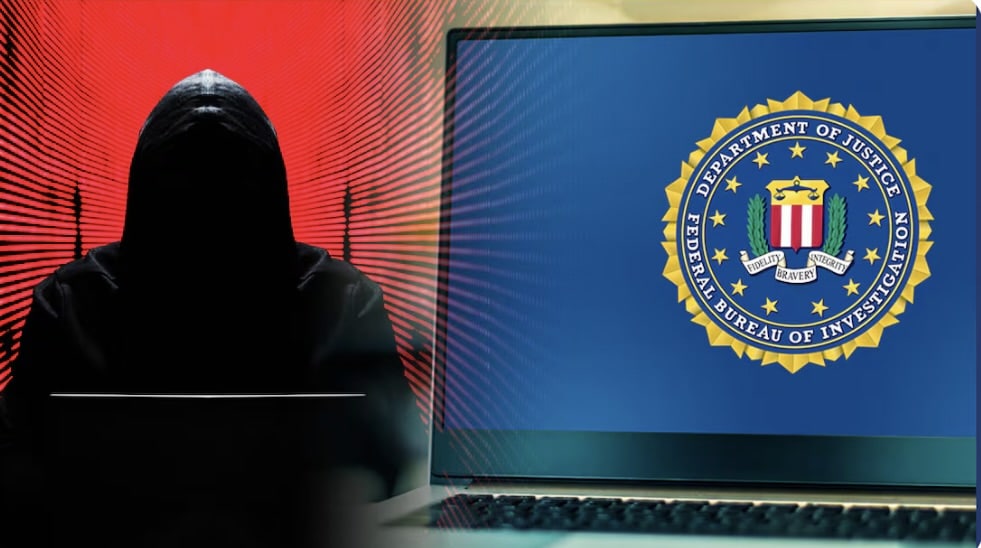
The recent cyberattack involving the FBI is a powerful reminder that cybersecurity is not simply a problem for large corporations, government agencies, or technology professionals. It is a problem for all of us.
In September 2026, the cybercriminal group known as ShinyHunters claimed it had compromised the FBI’s FBIJobs.gov portal and obtained sensitive information involving current and former FBI personnel and job applicants. The FBI confirmed that it was aware of claims involving unauthorized activity affecting the portal and said it was investigating. Importantly, the FBI also stated that the precise point of compromise—whether involving a third-party provider or the bureau’s own enterprise—had not yet been determined.
That distinction is important, as not every claim made by the attackers has been independently verified. But regardless of the ultimate technical findings, the incident demonstrates a fundamental reality of modern cybersecurity: your security is only as strong as the systems, people, vendors and information connected to you.
And that applies just as much to an individual sitting at home as it does to the FBI.
One of the most important lessons from the FBI incident is that an organization does not necessarily have to be attacked through its most sensitive or heavily protected system.
The FBI said the compromised portal was FBIJobs.gov and specifically noted that investigators were examining whether the vulnerability involved a third-party provider or the FBI’s own enterprise.
Think about your own digital life. You may have a well-secured email account, a strong password and two-factor authentication. But what about the company that processes your payroll? Your doctor’s office? Your child’s school? Your bank’s third-party technology provider? The online retailer where you shop? The cloud service storing your photographs?
Every time you provide personal information to another organization, you are extending your digital footprint. You cannot control every company’s cybersecurity. But you can control how much information you provide, how you protect your own accounts and what you do when something goes wrong.
For most people, email is arguably the most important account they own. Why? Because your email address is often connected to everything else. If someone gains access to your email, they may be able to reset passwords for banking, shopping, social-media and other accounts.
That is why a strong, unique password is essential. Never reuse the same password across multiple important accounts. If a criminal obtains your password from one compromised website, they may try that same password somewhere else. Even better, use a reputable password manager to create and store unique passwords.
Also, enable multifactor authentication whenever it is available. But remember that multifactor authentication is not a magic shield. The FBI has warned about phishing techniques that can steal credentials and session information and potentially allow criminals to bypass some forms of MFA. That means you still have to think before you click.
Cybercriminals frequently rely on something far less sophisticated than a zero-day vulnerability — human behavior.
A convincing email, text message or phone call can persuade someone to surrender credentials, click a malicious link or approve an authentication request. The FBI has specifically warned about “consent phishing,” in which criminals target individuals with malicious links designed to trick victims into granting access to their accounts.
The lesson is simple: slow down.
If a message creates urgency—”Your account will be closed today,” “You have an unpaid bill,” or “Click immediately to verify your identity”—that should be a reason to stop, not a reason to hurry.
Don’t use the phone number or link contained in a suspicious message. Instead, go directly to the organization’s known website or use a telephone number you already trust.
The FBI incident also illustrates the potential danger of personal information falling into the wrong hands. Reports concerning the attack indicated that information potentially included names, contact information, addresses and other sensitive details associated with employees and applicants. This raises another important question: How much personal information are you putting online?
Your home address, phone number, date of birth, family information, employer and social-media activity can collectively create a remarkably detailed profile. Criminals don’t necessarily need one secret piece of information. They can assemble small pieces from multiple sources. That information can then be used for phishing, identity theft, impersonation, harassment or social engineering.
Review your social-media privacy settings. Remove unnecessary personal information from public profiles. Be cautious about posting travel plans, home addresses, children’s schools, schedules or other information that could be useful to someone trying to target you.
Another lesson from the FBI incident is that cybersecurity isn’t just about prevention. It is also about response.
What would I do if my email account were compromised tonight? Do you know how to change your password? Do you have backup codes for MFA? Do you know how to contact your bank? Are important files backed up? Have you enabled transaction alerts on your financial accounts? These are the digital equivalent of having a fire extinguisher in your home. You hope you never need it, but you want to know where it is before the fire starts.
Perhaps the most important lesson from the FBI incident is that nobody gets to declare themselves “too secure to be hacked.”
The FBI has extraordinary cybersecurity resources, yet an incident involving a portal connected to the bureau demonstrates how complicated modern digital security has become. The investigation is still developing, and the precise circumstances of the compromise remain subject to investigation.
For the average person, the answer isn’t to become a cybersecurity expert. It is to practice good digital hygiene every day. Use unique passwords. Enable multifactor authentication. Keep devices and software updated. Be skeptical of unexpected messages. Limit the personal information you make public. Monitor financial and online accounts. Maintain backups. And, perhaps most importantly, slow down when something online makes you feel rushed.
Cybersecurity isn’t one product you purchase or one setting you turn on. It is a habit. Whether you are protecting a federal agency, a business or your own family, the principle remains the same: security is not about eliminating every possible threat. It is about making yourself a harder target and being prepared when something gets through.